Have you ever thought about how finding information online might change? The digital world is changing fast. It’s crucial for your growth to keep up with these changes.
Knowing about these changes helps you stay strong online. By using new ways to find things, you keep your brand seen by the right people. Adapting to these changes is key to doing well in a tough market.
If you need help with these changes, check out digitizereach.com for SEO advice. We’re here to help you get good at the future of search engines and improve your strategy for success.
Key Takeaways
- Digital discovery is evolving faster than ever before.
- Adapting to new trends is vital for your online growth.
- Proactive strategies keep your brand ahead of the curve.
- Expert guidance helps you navigate complex algorithm updates.
- Visit digitizereach.com for professional SEO support and insights.
The Evolution of Search Engine Technology
Search technology has changed a lot. It used to just look for exact words. Now, it’s more like understanding what we mean.
From Keyword Matching to Semantic Search
The move to semantic search is huge. Search engines now get what we’re really asking. They look at the whole question, not just the words.
This means your content needs to give real answers. It’s not just about repeating words. It’s about covering topics well.
By focusing on topics, you follow the latest search engine optimization trends. This keeps your site relevant as search engines get better at understanding us.
The Rise of Voice Search
Smart speakers and virtual assistants have made voice search technology more popular. People speak differently when they search by voice. Your content should sound natural and conversational.
It’s key to make your site answer questions directly and clearly. This way, you’re more likely to show up in voice search results.
Effects of Mobile Optimization on Search
Google now favors mobile-first indexing. Most people use their phones to search. So, your site needs to work well on mobile.
Your site should be fast, easy to use, and look good on small screens. For a check-up, visit https://digitizereach.com. Following mobile-first indexing is now essential to stay ahead online.
Trends Shaping the Future of Search
Have you noticed how finding information online is getting easier and more personal? The digital world is changing fast. New technologies are making it easier to find what we need on the web.
Artificial Intelligence and Machine Learning
Today’s search engines use artificial intelligence in search to guess what you’re looking for before you even type it. This tech lets systems understand the meaning behind your words, not just the words themselves.
These algorithms learn from how we act online. They give results that feel remarkably accurate. So, your content needs to be top-notch and really help people to rank well.
User Experience and Search Intent
Now, making your site easy to use is key, not just a bonus. It’s a main part of search engine optimization trends. When you focus on how visitors use your site, you stay relevant as search engines get smarter.
It’s important to know why someone is searching for something. Are they looking for info, a specific page, or to buy something? To get better at this, check out digitizereach.com for expert advice.
- Speed: Make sure your pages load fast to keep visitors interested.
- Clarity: Make your content easy to read and get around.
- Relevance: Make sure your topics match what people are searching for.
Visual Search Technologies
The rise of visual search is changing how we use images. Now, people use photos and camera inputs to find things and get info.
To stay ahead, optimize your images with good file names and alt text. This helps search engines understand your content better. It makes it easier for people to find your brand through innovative discovery methods. Keeping up with these changes will keep your online presence strong.
Local Search and Its Growing Importance
Today, people are looking for answers right away, especially when it comes to local services. They use their phones to find what they need nearby. Search engines now focus on mobile-first indexing to give users the best local info.
Your online presence needs to meet local customers’ needs. When you share accurate and useful info, you help locals choose you over others.
The Role of Google My Business
Your Google My Business profile is like your digital storefront. Keeping your hours, address, and contact info up-to-date helps you show up in “Local Pack” results.
Consistency is key when managing your online presence. If you need help improving your local strategy, the team at https://digitizereach.com can assist you.
Mobile Search Trends in Local Discovery
The use of voice search technology has changed how we ask for help. People often ask questions like “Where is the best coffee shop near me?” or “Find a plumber open now.”
To stay ahead, your content should sound natural and conversational. By matching your website to these search patterns, you stay visible when people are ready to act. Embracing these trends helps you connect with customers who are ready to make a choice.
The Impact of Social Media on Search
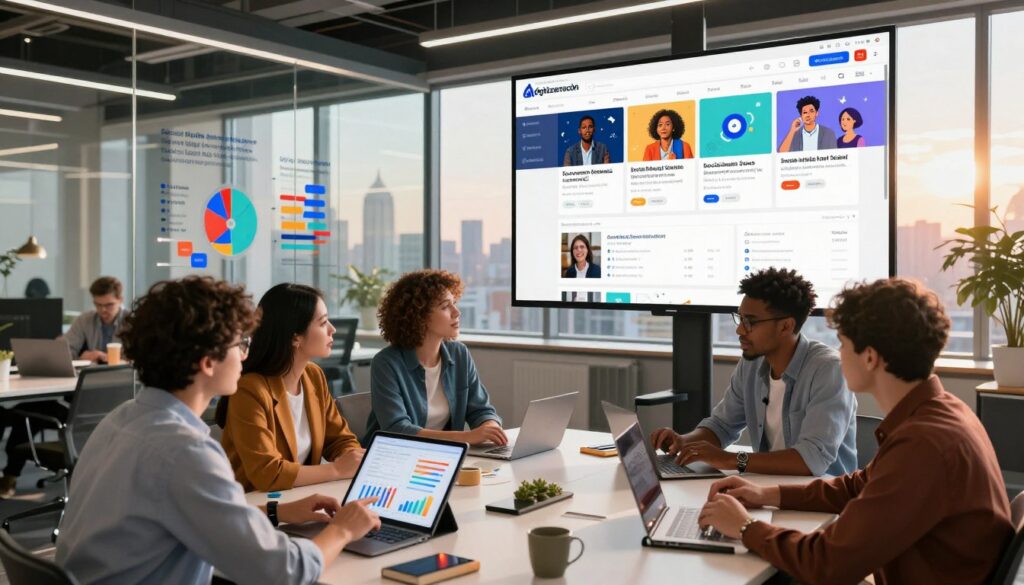
The line between social networking and search is getting smaller. Today, sites like TikTok, Instagram, and Pinterest act as dynamic search engines. They help users find inspiration, reviews, and local tips. Your audience might be looking for your brand in their social feeds, not just on search pages.
Social Signals and SEO
Search engines don’t always count social shares as direct ranking factors. But the indirect benefits are huge. When your posts get a lot of engagement, it sends a signal to search algorithms. This can make your content more visible online.
“Social media is not just a place to talk; it is a place to be discovered by people who are actively looking for solutions to their problems.”
When your content goes viral, it creates a ripple effect. Other sites might link to your posts, boosting your authority. See social signals as a way to boost your SEO efforts.
Integration of Social Search Features
To stay ahead, optimize your social profiles for search. Use relevant keywords in your bios, captions, and hashtags. This way, your brand shows up in searches. Consistency is key to link social engagement with search visibility.
For more on how to improve your cross-platform strategies, visit https://digitizereach.com. By aligning your social presence with your website goals, you offer a smooth user experience. The table below shows the main differences between traditional and social search behaviors.
| Feature | Traditional Search | Social Search |
|---|---|---|
| Primary Goal | Information Retrieval | Discovery & Inspiration |
| Content Format | Text-heavy/Articles | Visual/Short-form Video |
| User Intent | Specific Problem Solving | Exploratory Browsing |
| Trust Factor | Domain Authority | Peer Reviews/Influencers |
Privacy and Personalization in Search
Finding the right balance between data protection and personalized search results is key for digital marketers. Privacy rules are getting stricter worldwide. This changes how search engines show us tailored content. You need to make sure your audience feels safe but still gets the info they need.
How User Data is Utilized
Search engines use many data points to guess what you’re looking for. They look at your past searches, where you are, and what device you’re using. This helps them show you highly relevant and personalized search results quickly.
But, how they collect this data is getting clearer. Today’s search engines are moving away from tracking methods that feel too invasive. They want your consent first. This change is a chance to gain your audience’s trust by being open about how their data helps them.
Balancing Privacy Concerns with Personalization
It’s possible to keep users engaged while also protecting their data. Focus on using your own data and what’s happening around them, not just third-party cookies. This way, you offer value without risking your visitors’ security.
Looking for ways to balance these two? Check out guides at https://digitizereach.com for tips. By using these strategies, you can give personalized search results that respect users’ privacy. A focus on privacy will also make your brand more trustworthy and loyal in a world that’s getting more careful online.
The Role of Video Content in Search Rankings
Video content has become essential for digital visibility today. Search engines favor dynamic media because it keeps users engaged longer. Adding video boosts your chances of showing up in search results and video carousels.
If video optimization seems tough, experts at https://digitizereach.com can help. They ensure your media is indexed and ready to perform. Consistency and quality are key to success in this competitive field.
Rise of Video SEO Strategies
Handle your video files like blog posts. Use descriptive titles and detailed meta descriptions with search terms. These guide search engine crawlers.
Transcripts are also crucial for SEO. They make your video accessible to search engines and viewers with hearing issues. This simple step can improve your rankings by giving algorithms more context.
Platforms Dominating Video Searches
Picking the right platform is key for your strategy. YouTube is still the top choice, but TikTok and Instagram are growing fast. Know where your audience is to focus your efforts.
The table below shows the main differences between major platforms. It helps you decide where to invest your resources:
| Platform | Primary Strength | SEO Potential | Target Audience |
|---|---|---|---|
| YouTube | Long-form content | High (Google-owned) | Broad/Educational |
| TikTok | Viral discovery | Medium (Trend-based) | Gen Z/Millennials |
| Visual engagement | Medium (Social-based) | Lifestyle/Brand | |
| Vimeo | Professional quality | Low (Niche) | B2B/Creative |
Search Engines Beyond Google: Alternatives to Consider
Google is not the only way to find things online. Other search engines can help you reach more people. Using different platforms can help you find users who prefer different ways of searching.
Want to find more people online? Visit https://digitizereach.com for tips on using many platforms. A wide approach can help you find traffic that others miss.
Bing’s Unique Features
Bing is special because it works well with Microsoft products. It has visual search and rewards for using it every day. Your content on Bing can reach more people than you think.
To do well on Bing, focus on clear, structured data. It likes sites that answer questions quickly. Improving your Bing presence can really boost your traffic.
The Impact of DuckDuckGo on Privacy Search
DuckDuckGo is all about keeping your search private. It doesn’t track your searches or build a profile. This makes it popular with people who care about their privacy.
The future of search might include blockchain for more secure searches. This could mean users keep control of their data. Staying up-to-date with these changes can keep your brand relevant.
The Future of Search Algorithms
The world of search is moving towards a smarter and clearer future. Search engines are getting better at finding reliable information for you. This change is thanks to artificial intelligence in search.
This new tech helps systems understand complex questions better. It looks at patterns and what you really want. This way, you get what you need without any hassle.
Understanding the EAT Principle
The EAT principle is key in today’s search rankings. It stands for Expertise, Authoritativeness, and Trustworthiness. Search engines aim to show content from trusted sources.
To meet these standards, build a strong reputation in your field. Show your expertise with top-notch, well-researched content. This is the best way to impress search algorithms.

Core Web Vitals and Their Impact
Technical performance also plays a big role in your site’s ranking. Core Web Vitals check how fast, smooth, and stable your pages are.
If your site is slow or has layout issues, you might lose visitors. For a detailed check of your site’s Core Web Vitals, visit digitizereach.com.
In the future, artificial intelligence in search will make these metrics even more important. Also, blockchain in search algorithms might help prove data and source credibility more clearly.
To stay ahead, focus on technical excellence and consistency. Being consistent and technically sound is key for lasting success in the digital world.
The Role of Augmented and Virtual Reality in Search
Imagine searching for a product and seeing it in your living room before you buy. The digital world is changing fast, moving beyond simple text searches. Now, we’re seeing immersive experiences thanks to augmented and virtual reality.
These technologies are changing how we interact with search engines. You don’t just look at static images or descriptions anymore. Instead, you can explore dynamic, three-dimensional content that shows you exactly what you’re looking for.
Enhancing User Interaction with Search
The rise of visual search is a big part of this change. You can use your camera or special headsets to search the world around you. This lets search engines understand physical objects and give you relevant digital info right away.
This new way of searching has many benefits for how we browse every day:
- Increased accuracy: You get results based on what you actually see.
- Better engagement: Immersive content keeps you interested longer than traditional links.
- Reduced uncertainty: Seeing a product in a virtual space helps you make faster, more confident decisions.
AR Applications in Retail Search
Retail is where these innovations are most exciting. Many brands let you use your smartphone to see virtual furniture in your home or try on glasses digitally. This visual search makes online shopping easier.
If you own a business, you need to get your digital assets ready for this new world. You can learn how to optimize your content for these immersive technologies at https://digitizereach.com. By using these tools, your brand can stay visible as the search experience becomes more interactive and personal.
Understanding Search Engine Marketing (SEM)
Search engine marketing today is more than just bidding on keywords. It’s about connecting with users through their intent. You need to adapt to semantic search, which understands the meaning behind search queries.
By focusing on search context, you can show ads that really speak to your audience. Need help optimizing your campaigns? Reach out to the experts at https://digitizereach.com for a tailored strategy.
PPC Strategies for the Future
The future of PPC advertising is in automation and machine learning. Use automated bidding to adjust your budget in real-time. This ensures your ads are shown when they’re most likely to convert.
Also, use semantic search in your ad copy to attract high-intent traffic. Target long-tail phrases that reflect how people search. This helps you connect with potential customers on a deeper level.
Analytics and Tracking Innovations
Tracking performance has moved beyond simple click-through rates. Now, use advanced analytics tools for a full view of the customer journey. These tools show how your semantic search efforts impact your ROI.
By using first-party data, you can understand user behavior better. This lets you refine your targeting. The table below shows the differences between old and new SEM approaches to guide your next steps.
| Feature | Traditional SEM | Modern SEM |
|---|---|---|
| Targeting | Keyword-based | Intent-based |
| Bidding | Manual adjustments | AI-driven automation |
| Optimization | Static ad copy | Dynamic, context-aware |
| Analytics | Basic click tracking | Full-funnel attribution |
The Importance of User Feedback in Search Development
The future of search is all about real-time feedback from users. Search engines don’t just use old algorithms anymore. They watch how you interact with content to give you personalized search results that fit your needs.
Crowdsourcing Improvements
Search platforms use lots of data from users to get better. They look at which links you click and how long you stay on a page. This crowdsourced intelligence makes sure the best info is at the top.
You can use this idea to make your site better too. Watching how people visit your site tells you what works and what doesn’t. This helps you stay ahead in the digital world.
Real-Time Adjustments Based on User Behavior
Today’s search engines update fast based on what users do. If a page keeps answering a user’s question well, it gets seen more. This makes personalized search results get better over time.
To keep up, see your site as something that needs to keep getting better. Look at your traffic and how users interact with your site. For help, check out https://digitizereach.com for tips on improving your site.
Listening to your audience is key to keeping your search rankings up. When you focus on what your users need, you match the goals of modern search tech. Consistency and responsiveness are crucial for success in this user-focused world.
Conclusion: Preparing for the Future of Search
The digital world changes fast with new tech. To keep up with search engines, you need to keep learning and be ready for new ideas. By doing this, you can make sure your brand is seen by more people.
Staying Updated with Industry Changes
Search engines now focus more on what users want and quality content. Keep an eye on updates from Google and Bing to stay ranked. Checking your website often helps you meet current standards.
Changes in the industry mean you need to be ahead. Spend time learning to stay ahead in search engine future. Knowing more helps you grow over time.
Embracing Innovations in Your Search Strategy
New tools like AI and voice search change how we search. Use these in your marketing to connect with your audience better. Trying new things helps you keep up with what people want.
For help and tips, remember to visit https://digitizereach.com. Your hard work in improving your strategy will keep your brand seen. Start making these changes now to stay ahead in search engines.
FAQ
How can I stay ahead of the curve regarding the future of search engines?
To stay ahead, focus on search engine optimization trends like AI and intent-based content. Digitize Reach offers tailored SEO solutions. This helps your digital presence keep up with new tech.
What is the difference between traditional keyword matching and semantic search?
Traditional matching looks for exact words. Semantic search understands the meaning behind your search. To improve, visit digitizereach.com for a content audit.
Why should I optimize my business for voice search technology?
More people use Amazon Alexa and Google Assistant for local searches. Optimize your Google My Business profile for natural language queries. Digitize Reach can guide you.
How is artificial intelligence in search influencing my website’s rankings?
Artificial intelligence in search makes algorithms smarter. To keep your rankings, check with digitizereach.com. They ensure your site meets new standards.
Can I still provide personalized search results without compromising user privacy?
Yes, use anonymized data and follow GDPR for privacy. Digitize Reach guides on balancing privacy and personalized results.
What impact does visual search have on the retail industry?
Visual search tools like Pinterest Lens and Google Lens use images for searching. Optimize your images for discovery at digitizereach.com.
Why is mobile-first indexing a priority for modern SEO strategies?
Most users find content on mobile. Google indexes mobile sites first. For mobile optimization, visit Digitize Reach.
Is blockchain in search algorithms a real possibility for the future?
Blockchain is still new but could make search more secure. DuckDuckGo and Bing are exploring it. Digitize Reach can help diversify your search strategy.
How do Core Web Vitals and the EAT principle affect my visibility?
Core Web Vitals focus on site speed and stability. The EAT principle ensures your content is trustworthy. Digitize Reach can help meet these standards.
How can social media signals improve my traditional search rankings?
Social media platforms like TikTok and Instagram are becoming search engines. Engagement on these platforms can boost your visibility. Digitize Reach offers insights on integrating social and search strategies.